

This company has no active jobs
0 Review
Rate This Company ( No reviews yet )
About Us
The 10 Most Scariest Things About Doors Repairs
Comprehensive Guide to Door Repairs: Understanding the Process, Costs, and Techniques
Doors are necessary components of every home and business, supplying security, personal privacy, and visual appeals. Nevertheless, wear and tear can lead to various issues, necessitating door repairs. This short article explores typical door problems, repair techniques, associated expenses, and often asked questions about door repairs.
Types of Door Repairs
Doors can suffer from a variety of concerns depending upon their type, material, and use. Some of the most typical kinds of door repairs include:
-
Hinge Repairs:
- Loose hinges causing doors to droop.
- Rusty hinges that need replacement or lubrication.
-
Door Frames:
- Damaged or deformed frames from weather condition exposure.
- Cracks or splits in the frame.
-
Locks and Latches:
- Broken locks that need replacement.
- Misaligned latches avoiding appropriate closure.
-
Surface Damage:
- Scratches, dents, and holes in wooden or metal Doors repair.
- Faded paint or finish needing repainting or refinishing.
-
Weather Stripping:
- Worn out or harmed weather condition stripping enabling drafts or wetness.
Step-by-Step Guide to Common Door Repairs
Below are a number of common door repair techniques, outlining steps and needed products.
Repairing a Sagging Door
A drooping door can be a nuisance, often brought on by loose hinges or a distorted frame.
Materials Needed:
- Screwdriver
- Wood shim
- Level
Actions:
- Check Hinge Screws: Inspect the hinge screws for tightness. If they are loose, tighten them utilizing a screwdriver.
- Use a Level: Place a level against the door to see how far it is sagging.
- Place Shims: If the door is sagging considerably, place a wood shim behind the top hinge. This can assist lift the door back into location.
- Re-tighten Screws: After adjusting the shim, re-tighten the hinge screws. Test the door and make further modifications if necessary.
Repairing a Sticky Door
A sticky door can be triggered by humidity, temperature changes, or misalignment.
Materials Needed:
- Sandpaper or a hand aircraft
- Screwdriver
Steps:
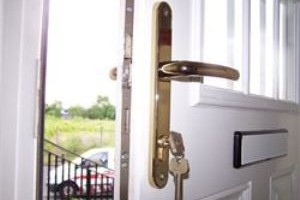
- Inspect for Rubbing: Close the door and check which areas are rubbing versus the frame.
- Eliminate Door if Necessary: If significant modification is required, remove the door using a screwdriver.
- Sand the Rubbing Areas: Use sandpaper or a hand aircraft to shave down the locations that are sticking. Be patient and test frequently.
- Rehang and Adjust: Rehang the door and make any last adjustments.
Changing a Door Lock
A malfunctioning lock can posture security threats and inconvenience.
Products Needed:
- New lock set
- Screwdriver
- Determining tape
Actions:
- Remove the Old Lock: Unscrew the existing lockset from both the exterior and interior sides of the door.
- Step and Prepare: Measure the door’s density and the existing holes to make sure an appropriate suitable for the new lock.
- Set Up the New Lock: Follow the producer’s guidelines to install the new lock, guaranteeing it’s properly aligned and securely attached.
- Evaluate the Lock: Test the lock to guarantee it runs smoothly.
Repainting or Refinishing a Door
Doors can begin to look used with time, needing a fresh coat of paint or stain.
Materials Needed:
- Paint or stain
- Primer (if painting)
- Paintbrush or roller
- Sandpaper
- Clean cloth
Steps:
- Remove Hardware: Take off doorknobs and other hardware to make painting simpler.
- Sand the Surface: Lightly sand the door to get rid of old paint or stain and create a smooth surface area for adhesion.
- Tidy the Door: Wipe the door with a clean fabric to eliminate dust and particles.
- Apply Primer: If painting, apply a coat of primer.
- Paint or Stain: Apply the picked paint or stain with even strokes, permitting each coat to dry thoroughly before including additional coats.
Cost Involved in Door Repairs
The expense of door repairs can differ considerably based on the type of repair needed and your geographic location. Below is a basic introduction of anticipated expenses:
| Repair Type | Approximated Cost Range |
|---|---|
| Hinge repairs | ₤ 10 – ₤ 50 |
| Frame repair | ₤ 50 – ₤ 200 |
| Lock replacement | ₤ 30 – ₤ 150 |
| Surface area refinishing | ₤ 50 – ₤ 300 |
| Weather condition removing | ₤ 10 – ₤ 50 |
Keep in mind: The costs might leave out any potential labor charges if employing a professional.
Frequently Asked Questions About Door Repairs
1. How do I understand if my door requires repair?
Indications of damage, trouble in opening or closing, and visible wear and tear are signs that your door might require repair.
2. Can I repair my door myself, or should I work with a professional?
Lots of little repairs can be done by property owners with basic tools. However, for complex concerns, or if you lack the required skills, it might be smart to hire an expert.
3. How frequently should I examine my doors?
Periodic examinations (at least once a year) are advised to guarantee that doors stay in excellent condition. Look for signs of damage and address any issues promptly.
4. What products are best for door repairs?
For wooden doors, wood glue and wood filler are perfect, while metal doors may require a metal patching substance. Always use weather-resistant products for outdoor doors.
5. Can a warped door be fixed?
In most cases, a warped door can be repaired by straightening or replacing the hinges or by applying moisture and heat to restore the initial shape. Nevertheless, serious warping might require door replacement.
Regular maintenance and prompt repairs can substantially extend the life expectancy of doors while guaranteeing optimal performance and aesthetics. By understanding common door concerns and their matching repair strategies, homeowners can successfully manage their door maintenance without unneeded frustration or cost. Whether selecting a DIY method or hiring experts, addressing door repairs proactively causes a more secure and visually appealing environment.
